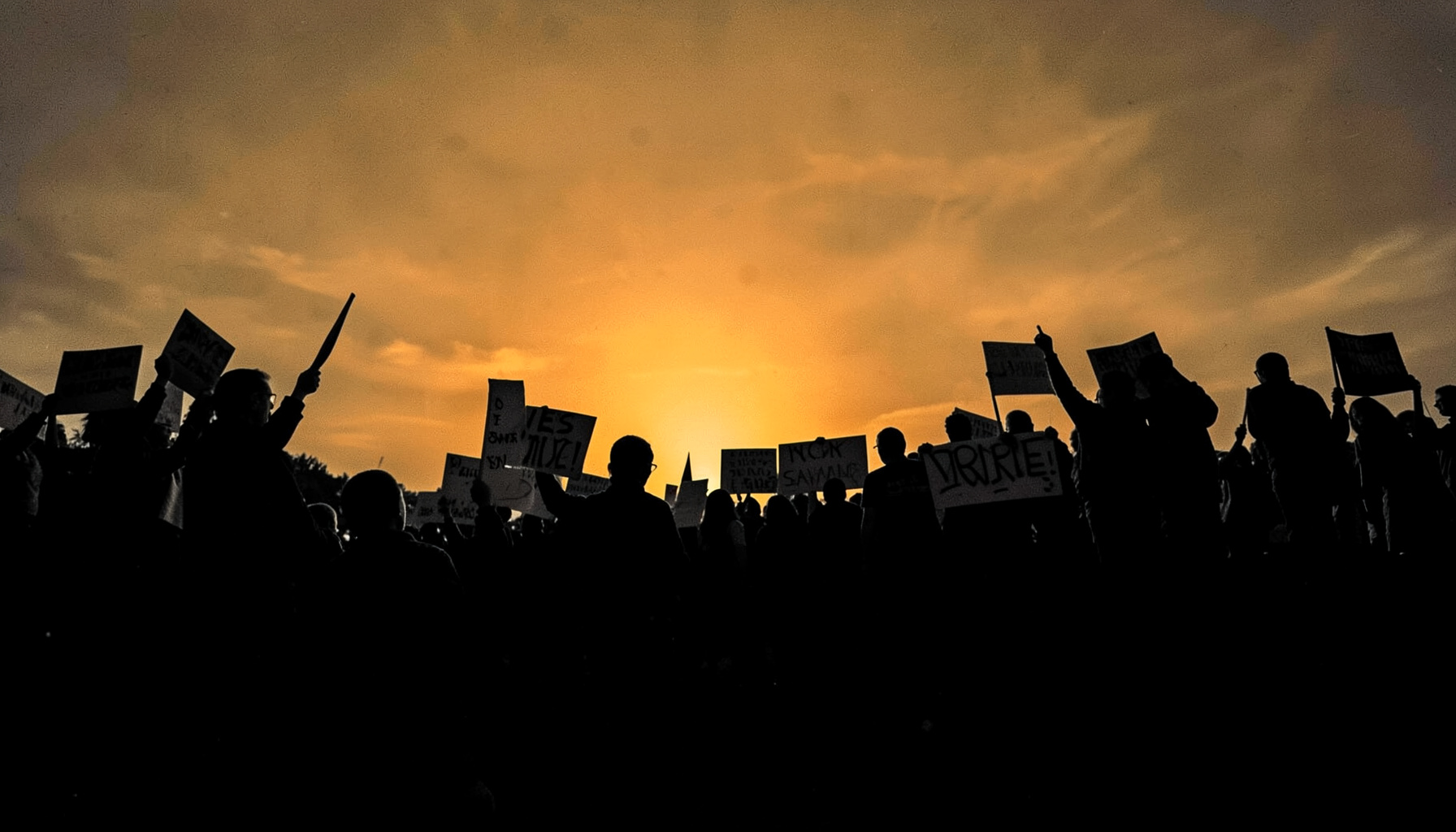
Alabama Amazon Workers Take Another Run at Union Recognition
Workers at the Amazon fulfillment center in Bessemer, Alabama have filed for a fresh union election, marking the latest chapter in one of the most closely watched labor fights in recent United States history. The facility has been at the center of organizing efforts since 2021, when employees first approached the Retail, Wholesale and Department Store Union about forming a bargaining unit.
The decision to refile comes after months of legal wrangling, with workers arguing that conditions inside the warehouse never improved despite the previous vote. For Australian readers who follow global labor trends, the case offers a familiar echo of debates happening closer to home, where workers at Amazon's growing network of robotics-driven facilities have also been raising concerns about pace, surveillance and respect on the shop floor.
A Long Road Back to the Ballot Box
The original election drew national attention and resulted in workers voting against unionization, though the outcome was later challenged on grounds that Amazon had improperly interfered. An NLRB hearing officer ultimately recommended a do-over, and the Board agreed, voiding the prior results. Organizers say the intervening years have shifted attitudes among the workforce, with turnover high and many of the original workers gone.
Those who remain describe a workplace culture that remains heavily managed by algorithms and handheld scanners, with little room for the kind of casual conversation that makes a long shift bearable. The timing of the new filing also matters. Labor unrest across the US has been on the rise, with high-profile actions at Starbucks, auto plants and rail yards, and union approval ratings have climbed to their highest level in decades. The mood among Alabama workers is one of quiet determination rather than the cautious optimism that marked the earlier campaign.
How the Campaign Differs This Time
Compared to the first attempt, the new drive is being run with a sharper focus on specific grievances. Health and safety concerns remain front of mind, particularly around the pace of work and the company's productivity metrics. Pay has been joined by complaints about unpredictable scheduling and what workers describe as a one-way flow of information from managers to the floor.
The union involved has indicated it will lean heavily on lessons from the first round, including greater emphasis on reaching workers in their own communities rather than relying solely on workplace conversations. In Alabama, that has meant church halls, car parks and front porches, the kind of grassroots outreach that echoes techniques long used by unions in the US South.
There is also a new generation of workers who came of age during the pandemic and view warehouse work very differently than their predecessors. For them, the job is often a stopgap rather than a career, and their willingness to push back reflects a broader shift in attitudes among younger employees across industries. Some observers compare the energy to recent mobilisation among graduate students and baristas, where short-tenure workers have proven willing to organise despite high turnover.
What Australian Workers Can Take From the Alabama Fight
For Australians watching from places like Sydney, Melbourne or Brisbane, the Bessemer story resonates because the issues are not unique to the American South. Amazon's Australian operations have grown rapidly, with large fulfillment centres in suburban industrial estates in places like Moorebank in western Sydney, Dandenong in Melbourne's south-east and Lytton in Brisbane. Workers at these sites have raised similar concerns about productivity targets and surveillance through handheld devices.
Australian unions including the SDA and the Transport Workers Union have been active around Amazon, though the local industrial relations framework operates quite differently from the US system. Under the Fair Work Act, workers can pursue collective agreements through the Fair Work Commission, and majority support is measured through formal ballots rather than the election model used by the National Labor Relations Board. The outcomes differ, but the underlying tensions between global employers and local workforces look remarkably similar.
Australian workers also have their own vocabulary for the kind of exploitation they say takes place inside the warehouses. Phrases like "flat-out like a lizard drinking" capture the pace, while complaints about not getting "a fair go" express frustration with management that won't listen. When Alabama workers talk about being treated like a number, the sentiment translates easily across the Pacific, even if the legal frameworks behind it do not.
The Stakes for Amazon and the Broader Labour Movement
For Amazon, a successful union election at Bessemer would be a significant symbolic defeat. The company has poured resources into keeping its US fulfillment centres non-union, and a win for organised labour would almost certainly embolden workers at other facilities to file their own petitions. It would also sharpen the contrast with how Amazon handles labor relations in other countries, where unions and works councils are often part of the operating landscape by default.
For the broader US labor movement, the outcome will be read as a referendum on whether the post-pandemic surge in worker activism can be converted into durable contracts. Victories at individual worksites build the infrastructure for sector-wide bargaining, which is how unions in countries like Australia and Germany have historically won improvements that flow through entire industries. A loss, by contrast, could allow Amazon to argue that its workplace model remains broadly acceptable to the people who staff it.
The Bessemer workers say they are under no illusions about the difficulty ahead. They have seen what the company is willing to spend on consultants, internal messaging and legal fees to keep unions out. But they have also seen the solidarity that emerges when coworkers stand together, and they believe that solidarity is worth another run at the ballot box.
Why This Vote Matters Beyond Alabama
The Bessemer election will be watched not only by union strategists in Washington and Detroit, but also by labour advocates in capitals from Ottawa to Wellington. In each of these places, workers at multinational retailers and logistics firms are weighing whether the cost of organising is worth the potential gain. The Alabama experience will be studied as a case in how a determined group of workers, with the right support, can challenge one of the most powerful corporations on the planet.
There is also a historical dimension that should not be overlooked. The fight to organize Amazon workers is part of a longer story about labor in the American South, a region with a complicated record on union rights dating back to the New Deal era. Anyone wanting to understand how the legal and cultural terrain of the South shapes what is possible in a warehouse today can trace that lineage through labor history resources that document decades of struggle and occasional breakthrough.
For workers everywhere, the Alabama case is a reminder that the right to organise is never permanently secured. It has to be exercised, defended and renewed in each generation, often by people who have no union tradition in their family and who must learn from scratch what solidarity looks like in practice. The Bessemer workers, with their second bite at the apple, are showing that the appetite for that learning remains very much alive.