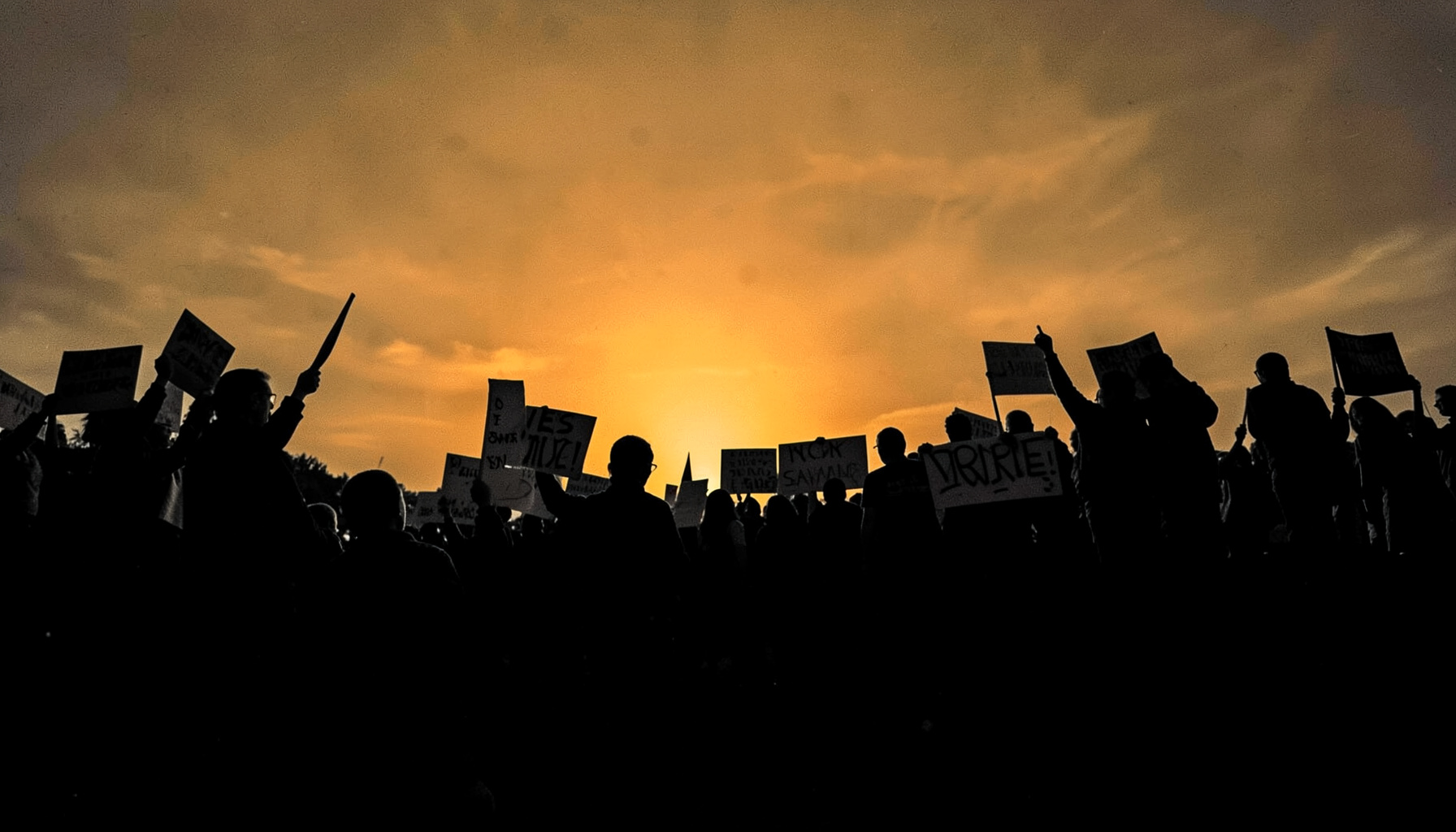
Boeing machinists reject tentative deal and return to picket lines
Thousands of Boeing machinists in the United States rejected a proposed labour agreement and returned to the picket lines, extending a strike that had already disrupted aircraft production across the Pacific Northwest. The vote showed that the dispute was about more than the headline wage increase: workers were also focused on job security, retirement benefits, overtime rules and the long-term direction of the company.
For Australian readers, the conflict offers a clear look at how industrial power works in a large American manufacturing employer. The setting is different from a Fair Work Commission case or an enterprise bargaining round at a Melbourne factory, yet the underlying concerns sound familiar: pay falling behind living costs, management promises that do not feel secure, and workers deciding whether a proposed settlement is strong enough to end a stoppage.
The vote that sent machinists back out
Members of the International Association of Machinists and Aerospace Workers, chiefly represented by District 751 in Washington state, voted against Boeing’s tentative agreement in October 2024. About 64 per cent rejected the offer, leaving workers on strike and sending union representatives back to negotiations with the aircraft manufacturer.
The decision followed weeks of industrial action that began in September. The walkout involved roughly 33,000 machinists in the Seattle-area production network, including workers connected with Boeing’s major commercial aircraft programmes. Picket lines appeared around facilities in Everett, Renton and the wider Puget Sound region, turning a contract dispute into a highly visible test of organised labour’s leverage.
The rejected package included a proposed 35 per cent general wage increase over four years and a ratification payment. Boeing presented the offer as a substantial improvement, while many workers considered it inadequate after years of inflation, rising housing costs and frustration over earlier changes to their retirement arrangements.
Why the proposed pay rise was not enough
A percentage increase can look impressive in a press release while producing a different reaction on the factory floor. Machinists were assessing the value of the proposed wage rises against the cost of living in western Washington, where rents and house prices have climbed sharply. They were also considering how much of the increase would be absorbed by health insurance costs, taxes and everyday expenses.
Workers had additional reasons to be cautious. Boeing’s relationship with its skilled workforce had been strained by outsourcing, production pressure and concerns about the company’s future investment in the region. The location of a new aircraft programme was especially important because a decision to build elsewhere could affect thousands of jobs and the communities that depend on them.
The dispute also reflected a question of trust. A contract is more than a wage table; it establishes rules that shape daily life at work. Machinists wanted stronger guarantees that secure, unionised jobs would remain in Washington, rather than being gradually shifted to lower-cost sites or outside contractors.
What workers were weighing at the ballot box
The contract vote brought several workplace issues together. For many members, a strong settlement needed to address immediate household finances while protecting their bargaining position for the next round of negotiations.
Key issues included:
- General wage rises that keep pace with inflation
- Health insurance costs and out-of-pocket expenses
- Overtime rules, schedules and mandatory extra shifts
- A firm commitment to future aircraft production
Retirement security carried particular weight. Earlier changes had replaced the traditional pension for newer employees with a 401(k)-style arrangement, which many workers viewed as less predictable. The proposed agreement did not fully restore the old system, leaving a significant source of dissatisfaction unresolved.
Members were also considering whether the offer properly recognised skilled work. Aerospace manufacturing requires extensive training, tight quality controls and responsibility for safety-critical components. The union’s position was that those skills should attract a secure career path rather than a deal that merely corrected some of the losses built up over time.
The broader concerns included:
- Protection against outsourcing
- A pathway for newer employees to advance
- Fair treatment across shifts and classifications
- A stronger voice over production decisions
The pressure on Boeing and its supply chain
A prolonged strike creates immediate problems for Boeing because commercial aircraft assembly relies on coordinated deliveries and specialised labour. When machinists stop work, parts can remain unfinished, production schedules can slip and suppliers may face uncertainty about when orders will resume.
The effects extend beyond the factory gates. Airlines waiting for new aircraft must manage fleet plans, passenger demand and delivery schedules. Smaller engineering firms and component manufacturers can experience reduced hours or delayed payments, while local businesses around Everett and Renton lose trade from workers who are no longer collecting normal wages.
Boeing was already dealing with intense scrutiny over safety, manufacturing quality and management decisions. The strike added a financial burden at a time when investors and customers were demanding evidence of stability. The company needed an agreement that would restart production, yet a weak settlement risked leaving workers resentful and the next conflict closer than management wanted.
For Australian observers, the supply-chain impact is recognisable. A stoppage at a major plant in Geelong, Newcastle or Western Sydney would affect transport firms, maintenance contractors, food outlets and specialist suppliers well beyond the direct employees. Modern manufacturing clusters spread industrial risk across an entire region.
A familiar pattern in modern labour disputes
The Boeing conflict followed a pattern seen across the United States: workers became more willing to reject agreements that union leaders might once have recommended. The pandemic exposed how essential production workers could be, while inflation reduced the practical value of previous wage settlements. In many workplaces, members now expect a visible share of company recovery and executive rewards.
That mood has parallels in Australia, although the legal framework differs. Australian workers usually bargain through enterprise agreements under the Fair Work system, and protected industrial action involves formal notice and ballot requirements. A strike at a plant in Dandenong or Western Australia’s resources sector is shaped by those rules, whereas American unions operate under a different structure and face different restrictions.
The language used by workers also travels well across borders. Australians might say they are “having a crack” at a better deal or that management needs to “come to the table”. In Seattle, the equivalent message was delivered through picket signs, union meetings and a decisive ballot. The common point is that members, rather than officials alone, decide whether a settlement feels fair.
Union solidarity has also become more visible in other industries. The experience of Starbucks workers, for example, shows how organised employees can build bargaining strength across a large employer; a Starbucks union victory offers useful context for understanding why workplace campaigns continue to attract public attention.
What happened after the rejected offer
The rejection did not end the dispute. Boeing and the machinists’ union returned to negotiations while workers remained on strike, with each side facing pressure to protect its position. Union leaders needed to show that the walkout could deliver more, while Boeing had to limit the damage to aircraft output, cash flow and customer confidence.
The eventual settlement reached in early November 2024 was approved by a narrower majority, ending the strike after more than seven weeks. It included a 38 per cent wage increase over four years, a larger ratification bonus and commitments connected with future production. The agreement did not satisfy every demand, particularly the restoration of the traditional pension, but enough members judged it preferable to continuing the stoppage.
That final result matters because the earlier rejection changed the bargaining range. The first offer had been described as historic by management, yet members demonstrated that a large headline number would not automatically win approval. By voting it down, workers forced the company to improve the terms and showed that union democracy could influence a globally important manufacturer.
For Boeing, the lesson was equally significant. Rebuilding trust will require more than signing a contract. The company must deliver safe production, stable employment and credible investment in the workforce. For the machinists, the strike established a stronger baseline for future negotiations and reminded employers that skilled workers retain collective power when they act together.