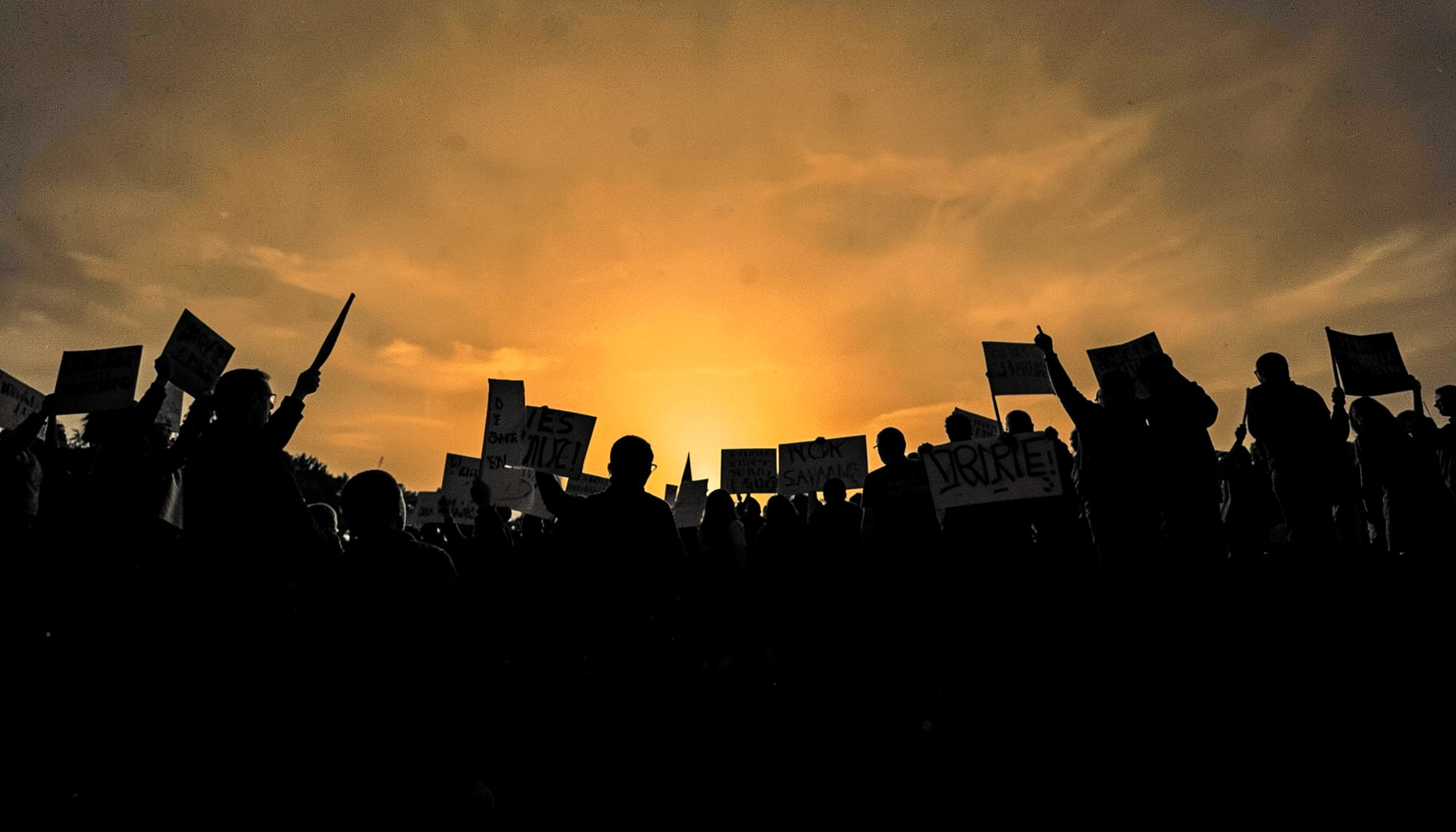
Florida workers push for statewide paid sick leave
When a hotel housekeeper in Miami wakes with a fever, the choice can be brutal: stay home and lose a day's wage, or work while ill and risk passing an infection to guests and coworkers. The campaign for a statewide entitlement is grounded in those everyday decisions. Supporters want employees to miss work because of illness without sacrificing income or facing dismissal.
Florida's patchwork rules make the issue especially urgent. Counties and cities including Miami-Dade and Orlando have adopted paid sick leave ordinances, but coverage depends on a worker's workplace and location. A state standard would end those boundaries, giving employees a clearer workplace right wherever they are employed.
The cost of staying home
Florida has no general law requiring private employers to provide paid sick days. Eligible workers can use unpaid, job-protected leave under the federal Family and Medical Leave Act, but many hourly employees do not meet its eligibility rules, and unpaid time away is difficult when rent and food depend on the next shift. A doctor's appointment or a migraine can become a choice between lost pay and working through illness.
The pressure is strongest in hospitality, food service, construction, agriculture and care, where schedules are less predictable and missing work can mean fewer hours. In Miami Beach and Tampa, a housekeeper, server or warehouse operative may lose the shift and future assignments if calling in sick appears undesirable. Employers, meanwhile, worry that absences can disrupt staffing when rosters rely on a small pool of reliable people.
The wider cost is presenteeism: a worker who attends work while contagious can spread an illness to coworkers, customers or patients. That creates more sick days and disrupts entire teams. Public-health guidance recommends staying home when unwell, but a worker without paid leave faces an immediate financial reason to ignore it.
A constitutional mandate without a statute
Voters approved a constitutional amendment in 2022 that would guarantee paid sick leave, but the entitlement has not developed into a usable statewide rule. Florida's Legislature was given a role in setting practical details, and proposals during regular and special sessions did not pass. That gap has become a focal point for organisers determined to turn the ballot-box mandate into an enforceable benefit.
Supporters are combining workplace organising with public advocacy. Workers are collecting stories about lost wages, healthcare workers are highlighting infection risks, and local officials are being pressed to support a uniform standard. The campaign's strength comes from connecting a workplace demand with a measure voters have already backed, rather than presenting paid leave as an abstract policy imported from elsewhere.
Broader coverage of organising campaigns and workers' rights is available through Union News labor coverage. That reporting matters for a dispute spread across union locals, community groups and small businesses because it tracks promises, implementation and the experiences of people most affected by the absence of a state rule. Employer organisations counter that a mandate could impose costs on smaller companies, while worker advocates say clear thresholds, predictable accrual and public enforcement would make the opposite.
Designing a right workers can actually use
For a frontline worker, usefulness depends on details. A sound policy should make leave paid, protect against dismissal and retaliation, and cover both full-time and part-time employees. Hourly accrual can make the entitlement visible to people without conventional paid annual leave, while allowing a limited amount to carry over can help workers who become ill near the end of a year.
Small employers need certainty too. A uniform rule lets managers plan rosters and budget for replacement cover rather than inventing policies from one workplace to the next. Exemptions for very small businesses may ease concern, but they can leave the most precarious workers outside protection. Any threshold must therefore be weighed against those with the least capacity to lose a shift, and enforcement must give workers a practical way to challenge discipline.
What Australia's workplace rules reveal
Australia offers a useful comparison because paid personal or carer's leave forms part of the National Employment Standards under the Fair Work Act 2009. Most full-time employees receive at least 10 days across a year, with part-time entitlements generally calculated pro rata; awards or workplace agreements may provide more. This is a legal floor rather than charity, and employers cannot punish a worker for using it properly.
The routine is familiar in cities such as Sydney and Melbourne. A barista in Melbourne checks a roster app and messages the shift lead; an office worker in Sydney calls a colleague before a team meeting; a nurse asks the ward coordinator to rebalance the list. When leave is paid, the absence becomes an ordinary staffing matter rather than a personal financial emergency. Cafés, supermarkets and hotels still need cover, but managers arrange it without treating illness as a disciplinary issue.
The comparison also exposes gaps. Casual and gig workers often have fewer protections than permanent staff, and the experience can depend on an award, contract or state workplace law. In a tight Australian labour market, small businesses worry about losing valuable staff to competitors. Those tensions are relevant to Florida, where rapid population growth has increased demand for hospitality, construction and logistics workers while many employers offer limited benefits.
Turning a campaign into an enforceable right
Florida's labour movement is trying to build support that reaches beyond individual employers. Union members can connect the demand to wider fights over wages, scheduling and the right to organise, while worker centres can reach employees outside traditional bargaining units. Local paid-leave ordinances provide practical evidence of what employers can manage and identify gaps that a statewide law could close.
The political challenge is to secure enough support for a bill or another constitutionally valid route, then preserve the details workers need. Clear coverage, predictable payroll treatment and meaningful penalties would determine whether the measure becomes a genuine right. The campaign must also persuade voters and legislators that paid sick leave supports productivity by reducing illness and turnover, not simply that it adds another employment cost.
That argument carries particular weight in a state where workplace benefits vary sharply by contract and postcode. A common standard would not guarantee every worker a generous package, but it would place a basic safeguard around illness and caregiving. The Florida campaign's future depends on converting constitutional intent, local organising and public-health evidence into rules that an employer cannot quietly turn back into unpaid time away from work.