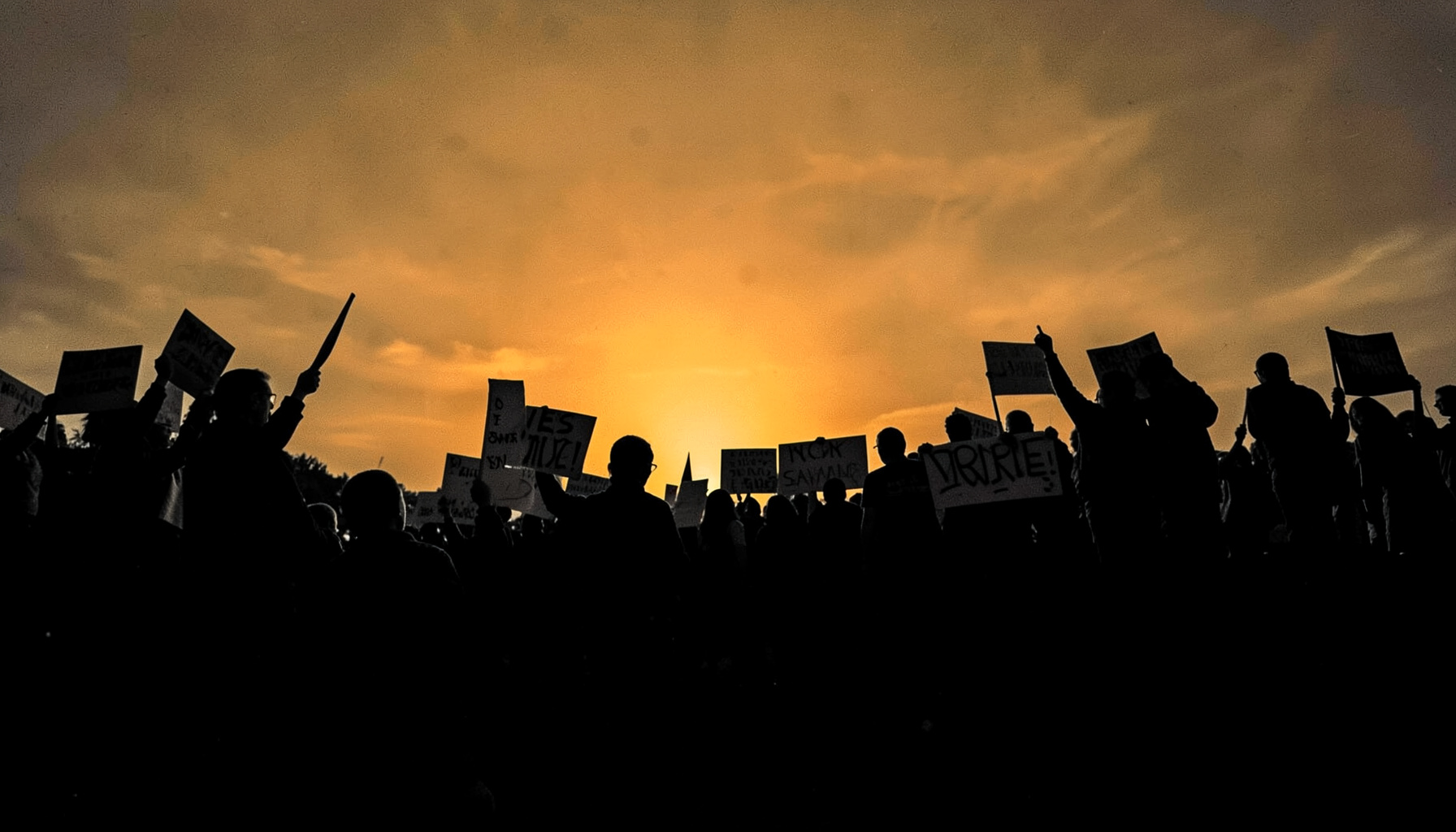
New York Hotel Workers Press For Safer Jobs And Fairer Pay
Hotel employees in New York have taken strike action over wages, staffing levels and safety protections, putting pressure on a major part of the city’s visitor economy. Housekeepers, front-desk staff, cooks, servers, doormen and other workers say the value created by full hotels should be reflected in their pay and working conditions.
The dispute comes as New York remains one of the United States’ most expensive places to live. Rent, transport, food and childcare costs have risen sharply, while hotel employees face demanding shifts, heavy workloads and frequent contact with the public. For many workers, a pay rise is tied directly to whether they can remain in the city where they work.
Safety is a central part of the campaign. Hotel workers can be exposed to aggressive guests, workplace injuries, infectious illness and excessive workloads. Room attendants, in particular, may clean a large number of rooms under tight deadlines, with repetitive lifting, bending and pushing contributing to long-term injuries.
The strike also highlights a wider labour question: who benefits when tourism returns strongly after a downturn? Union members argue that profitable hotels should provide secure jobs, predictable hours and meaningful protections rather than relying on understaffing, temporary labour or concessions from employees.
Why Workers Walked Out
The hotel workers’ wage claim covers more than an hourly increase. Employees are seeking pay that keeps pace with New York’s high living costs, along with stronger benefits and contractual protections. In the US system, healthcare costs and employer-provided insurance can be a major part of bargaining, making a contract’s benefits package as important as the headline wage figure.
Workers are also concerned about workloads. A hotel may appear busy and successful to guests while operating with fewer cleaners, porters or kitchen staff than before. That can mean rushed room turnovers, missed breaks and pressure to complete tasks at an unsafe speed. A strike gives employees a collective way to challenge that model.
The union involved in New York’s hotel sector has historically represented a broad workforce across lodging, gaming and related hospitality jobs. Its bargaining power comes from coordinated action: if several properties face stoppages at the same time, hotel operators cannot easily shift all services to another site.
Safety Behind The Guest Experience
Hotel safety issues are often hidden from visitors. A guest sees a clean room, a functioning lift and a meal arriving on time; they may not see the worker carrying linen, moving furniture or dealing with a difficult customer. Workers say management needs to treat those risks as core employment issues rather than isolated incidents.
Room attendants have drawn particular attention because cleaning work can involve repetitive physical movement and awkward postures. Protections may include realistic room quotas, functioning equipment, adequate staffing, security measures and a clear process for reporting harassment or violence. These demands can affect the quality of service as well as employee wellbeing.
For Australian readers, the comparison with hotel work in Sydney, Melbourne or Brisbane is useful. Australian employees generally operate under the Fair Work Act, modern awards and enterprise agreements, with penalty rates and minimum standards providing a legal floor. A New York contract can cover some similar ground, but the US framework is less uniform and often places greater emphasis on union bargaining.
What The Dispute Means For Hotels
A hotel strike can disrupt housekeeping, restaurants, room service, reception and maintenance. Operators may bring in replacement staff, reduce services or ask guests to accept delays. The impact is especially visible during conferences, school holidays and major events, when New York rooms can command premium prices.
Hotels must weigh the cost of a settlement against lost revenue, reputational damage and the possibility of further industrial action. A short stoppage may be absorbed, but a prolonged dispute can affect bookings and employee retention. Experienced staff carry important knowledge about guest needs, building systems and safety procedures, so replacing them is rarely straightforward.
| Issue | Workers’ concern | Wider effect |
|---|---|---|
| Wages | Pay has not kept pace with New York living costs | Employees may leave the industry or city |
| Staffing | Fewer workers are expected to handle the same workload | Service delays and injury risks can increase |
| Room quotas | Cleaning targets may be physically unrealistic | Housekeepers face pressure and repetitive strain |
| Safety | Workers want stronger protection from violence and hazards | Hotels need clearer procedures and accountability |
| Benefits | Healthcare and other benefits affect real take-home security | A contract can change household finances substantially |
For travellers from Australia, the dispute also has a practical tourism angle. New York hotels compete with short-stay apartments, hostels and large international chains, but labour costs remain part of the price of a room. In Australia, guests are familiar with weekend and public-holiday surcharges in hospitality; in New York, higher accommodation prices can similarly reflect wages, benefits and staffing requirements.
A Test For Union Power
The strike tests whether organised labour can convert public support into a durable agreement. Hotel guests may sympathise with employees, but unions still need to maintain member participation, coordinate picket lines and keep pressure on employers. Employers, meanwhile, may argue that higher labour costs threaten investment or make New York less competitive.
Collective bargaining works best when workers have reliable information and a common position. Members must understand proposed wage increases, healthcare contributions, scheduling rules and safety clauses before voting on a settlement. Clear communication is particularly important in a workforce that may include immigrants, multiple languages and employees with different levels of union experience.
Supporters who want to display solidarity can find union-made clothing and other items through Union News merchandise. Buying union-labelled goods is a small action, but it connects workplace campaigns with everyday consumer choices and keeps organised labour visible beyond the picket line.
Lessons For Australian Workers
The New York action has relevance in Australia because hotel and tourism jobs also depend heavily on casual labour, seasonal demand and subcontracting. In Melbourne’s CBD, Sydney’s Darling Harbour and Queensland’s Gold Coast, workers can face fluctuating rosters while employers manage sharp peaks around concerts, sporting events and school holidays.
Australian hotel employees often discuss penalty rates, split shifts, minimum engagement periods and superannuation. Those issues do not map exactly onto New York’s labour system, yet the underlying concern is familiar: a business can advertise full service while transferring the cost of flexibility and understaffing to workers.
The dispute also shows why enterprise bargaining matters. A written agreement can establish staffing expectations, consultation rights, injury procedures and protections against arbitrary scheduling. Workers who understand their award, agreement and representative options are better placed to challenge unsafe practices before a crisis develops.
Supporting A Fair Settlement
A settlement should address both the immediate pay claim and the conditions that caused workers to strike. A modest wage increase will not resolve the dispute if housekeepers remain assigned unrealistic workloads or if staff cannot report violence without fear of retaliation.
A credible agreement would include transparent wage increases, enforceable safety language, fair scheduling and a process for resolving disputes quickly. It should also recognise that hotel work is skilled work. Clean rooms, reliable service and safe operations depend on employees whose contribution is often overlooked by guests and investors.
Workers seeking local support, union contacts or labour organisations can use the union hall directory to identify relevant resources. For Australian readers, the equivalent starting points may include a union office, the Fair Work Ombudsman or an industry representative familiar with hospitality agreements.
Key measures that could strengthen the settlement include:
- Wage increases that respond to New York’s housing and transport costs
- Realistic room-cleaning targets developed with housekeepers
- Minimum staffing levels for busy shifts and high-occupancy periods
- Strong procedures for reporting violence, harassment and unsafe equipment
- Predictable rosters, proper breaks and protection from retaliation
- Accessible healthcare and benefit arrangements for permanent and eligible casual workers
The New York strike reflects a broader struggle over the value of service work. When hotel employees demand fair pay and safer jobs, they are challenging a business model that can make comfort for guests depend on insecurity for the people providing it. A durable agreement would help ensure that the city’s tourism economy rests on decent work as well as full rooms.