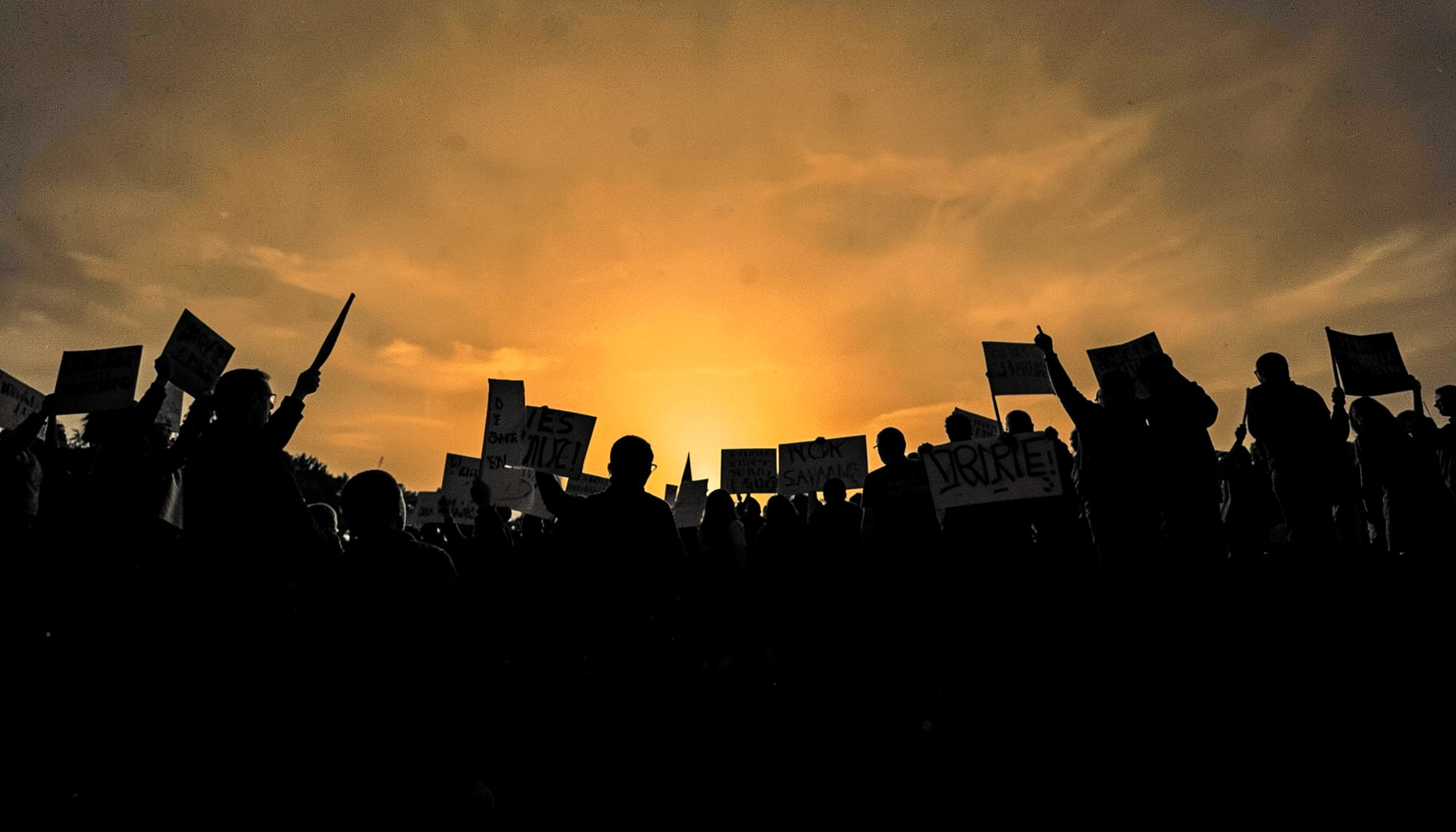
The 2024 USMCA Review and Labor Rights Demands
The 2024 USMCA review has placed enforceable labor standards at the centre of a trade agreement often discussed as a matter of cars, tariffs, and supply chains. The first formal joint review under the agreement is due on 1 July 2026, so the process taking shape from 2024 is best understood as preparation for that test rather than a final verdict delivered in 2024.
USMCA includes labor commitments covering freedom of association, collective bargaining, the elimination of forced and child labor, non-discrimination, and protection of migrant workers. Its strength is also its weakness: many promises refer back to domestic law, while enforcement can depend on complaints, inspections, courts, and political pressure from partner governments.
Labor groups have consequently pressed for the review to judge whether workers can organise, bargain, and challenge unsafe conditions in practice. Their demands go beyond checking whether a legal provision exists. They seek credible investigations, timely remedies, protection from retaliation, and scrutiny of workplaces deeper in corporate supply chains.
For Australian readers, this is not a distant North American exercise. The United States remains a major market for Australian beef, minerals, education, and services, while USMCA rules influence the global production of vehicles, electronics, and apparel. Worker rights in the agreement therefore affect the standards Australian companies encounter when they trade, invest, or compete.
Why the 2024 Review Matters
Article 34.7 provides for a joint review every three years, while Mexico’s annual labor reporting gives the issue a recurring place on the agenda. The review can ask whether labor provisions remain adequate as production methods change, whether enforcement institutions have sufficient resources, and whether workers receive effective protection when domestic remedies fail.
Tariffs were used politically during the 2024 United States campaign as a way to argue that trade agreements had allowed jobs to move overseas. Unions warned that tariffs without labor enforcement could raise prices, disrupt established supply chains, and punish workers employed by companies that had already improved workplace conditions.
The review should therefore treat trade and workplace rights as linked subjects. A lower tariff on a vehicle assembled across three countries creates little benefit if workers producing its components cannot organise a union, negotiate safely, or report wage theft without facing dismissal.
Demands for Stronger Labor Protections
The AFL-CIO, the UAW, and international union bodies such as the International Trade Union Confederation have called for labor rights to be measurable rather than rhetorical. Their priority is freedom of association in practice, including genuine bargaining elections, protection for organizers, and the ability to strike without arbitrary criminal penalties or employer retaliation.
Another central demand is a credible enforcement system. Labor groups want independent inspectors, specialised courts, accessible complaints procedures, and meaningful penalties for violations. They also seek timely public reporting showing how many complaints were investigated, how long cases took, and whether orders for reinstatement or compensation were enforced.
The review must also address equality and supply-chain responsibility. Women, migrant workers, temporary employees, and workers in subcontractors should be able to exercise the same rights without discrimination. Unions argue that rules confined to a factory’s direct employees are inadequate when multinational brands can transfer risk to vulnerable suppliers.
Trade officials must resist using tariffs as a substitute for enforcement. Punitive tariffs may influence a company’s commercial calculations, but they do not repair a labor inspectorate, restore a union, or compensate a dismissed organizer. The review is more useful when it improves institutions and remedies than when it merely threatens higher import costs.
Enforcement Must Reach Supply Chains
Mexico’s constitutional labor reforms of 2019 strengthened individual protections, changed union-certification procedures, and created specialised labor courts. The reforms have produced a more formal enforcement framework, but unions and international monitors have questioned case-processing delays, inconsistent sanctions, and the independence of some institutions.
Enforcement also has to follow subcontracting relationships. A major manufacturer may maintain credible procedures at its own plant while relying on a supplier that pays below the legal minimum or confiscates workers’ documents. Labor groups want stronger disclosure of suppliers, joint responsibility for violations, and purchasing practices that reward verified compliance rather than the cheapest quotation.
The same distinction between a legal right and a functioning remedy appears beyond North America. A report on Karnataka rights implementation offers a useful parallel: legislation gains force through institutions, inspections, remedies, and participation. A trade agreement requires the same practical machinery if its labor language is to carry weight.
Lessons for Australian Workers
Australia provides a useful comparison because workplace rights are governed through a familiar system. Most employees are covered by the Fair Work Act 2009, with pay and conditions determined by modern awards or enterprise agreements. When a casual server in Melbourne’s central business district works a Saturday shift, the applicable award or agreement normally governs overtime and penalty rates, while the Fair Work Ombudsman provides information and a complaint channel.
Workplace enforcement is especially visible in cities with large manufacturing, logistics, hospitality, and construction sectors. Melbourne’s automotive, food-processing, and freight corridors include Dandenong, Broadmeadows, and Laverton North. Sydney’s late-opening restaurants and tightly scheduled building sites present different compliance pressures, showing why a single inspection model cannot suit every industry.
The local market also illustrates how trade rules shape competition. Australian supermarkets stock imported fruit, machinery, and clothing, while vehicle yards sell imported cars affected by global tariff arrangements. Australia’s relationships with the United States and through the ChAFTA agreement with Asia do not replace USMCA, but they expose local workers and businesses to the enforcement standards established in major markets.
Australian industrial action reflects a different legal framework. The Fair Work Commission resolves disputes and approves agreements, while rules governing strikes largely sit with state and territory laws, with additional federal protections for workers covered by enterprise agreements. Union representatives, delegates, and workplace training remain familiar features of Australian employment rather than institutions imported from another country.
A Credible Review Built Around Workers
A transparent review should publish more than diplomatic conclusions. It should reveal inspection numbers, case outcomes, average processing times, penalties, and evidence of retaliation. Publishing information about orders that remain unenforced would be particularly useful because it would distinguish formal enforcement from meaningful protection for workers.
Workers and their representatives should also have a formal role. Labor groups want public submissions, hearings, access to independent experts, and safeguards for workers who provide evidence. A review conducted without those voices may measure what governments report rather than what workers experience.
The response to persistent violations should be clear. Governments can use dispute mechanisms, targeted procurement conditions, financing restrictions, and coordinated diplomatic pressure while national institutions address the underlying failures. They should avoid treating emergency tariffs as a substitute for rights that must operate every day inside workplaces.
Campaign pressure also depends on visible solidarity across borders. Purchasing union-made merchandise can direct attention and resources toward organised labor, while the larger task is to make collective bargaining effective. The benchmark of the USMCA review is straightforward: a worker who reports exploitation must have a trusted route to a timely remedy.